Checklist
Local SEO Checklist for Lincolnshire Small Businesses
A practical local SEO checklist for Lincolnshire small businesses covering Google Business Profile, reviews, local listings, website content and tracking.
When someone nearby searches for the products or services you provide, does your business appear?
Whether you run a shop in Lincoln, a trade business in Louth, a cafe in Skegness or a professional service covering the Lincolnshire Wolds, local SEO helps people find you when they are actively looking.
The good news is that local SEO does not need to feel overly technical. It is often about getting the important basics right, keeping your information consistent and helping search engines understand who you are, what you offer and where you work.
Use this checklist as a practical starting point.
1. Claim and verify your Google Business Profile
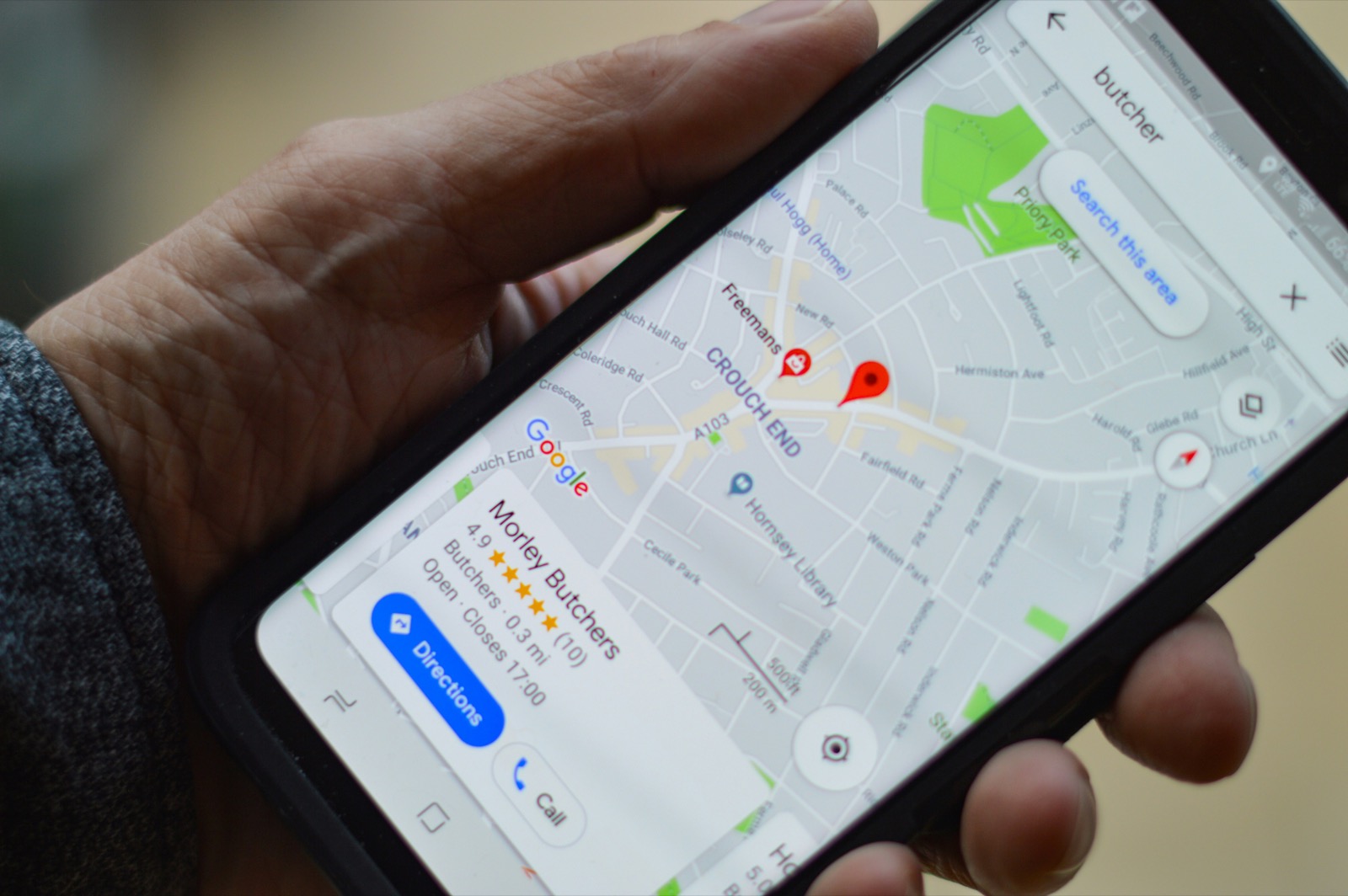
Your Google Business Profile is one of the most important parts of local SEO. It is the listing that can appear in Google Search and Google Maps when people look for businesses nearby.
If you have not already done so, create or manage your Google Business Profile.
- Find or create your Google Business Profile
- Complete Google’s verification process
- Check that you have access to manage the listing
- Remove or report duplicate profiles
- Review the profile regularly
Verification can vary depending on the type of business and location. Some businesses may be asked to verify by phone, email, video or other methods.
2. Complete every relevant profile section
Google uses the information in your profile to understand your business and match it with suitable searches. Customers also use it to decide whether you are the right fit.
- Use your correct business name
- Choose the most accurate primary category
- Add relevant secondary categories
- Add your address or service area
- Add your phone number and website
- Add usual and special opening hours
- Write a clear business description
- Add products or services where relevant
- Add suitable attributes
- Upload your logo, cover image and recent photos
Use the same business name that appears on your website, signage and official materials. Avoid adding extra keywords to your business name unless they are genuinely part of the name.
Your primary category is especially important, so choose the one that best describes what your business does.
3. Keep your business information consistent
Your name, address and phone number are often referred to as NAP details. Consistent details help search engines and customers trust that they have found the correct business.
You can read more about NAP and local SEO if you want a deeper explanation.
- Check your website footer and contact page
- Check your Google Business Profile
- Check Facebook, Instagram, LinkedIn and other social profiles
- Check Bing Places and Apple Business Connect
- Check business directories
- Update any old phone numbers, addresses or website links
- Remove or correct duplicate listings where possible
Small formatting differences are usually less important than conflicting information. The main thing is that customers and search engines can clearly identify your business.
4. Build reputable local listings and citations
A citation is any online mention of your business name, address, phone number or website. These can appear on directories, local websites, industry platforms and membership pages.
- Add your business to trusted national platforms
- Add your business to relevant Lincolnshire directories
- Look for tourism directories if you serve visitors
- Use trade or professional directories if relevant
- Add your business to Chamber or membership listings
- Check local town, village or community directories
- Prioritise accurate listings over appearing everywhere
Useful places to consider include:
- Google Business Profile
- Bing Places
- Apple Business Connect
- Yell
- FreeIndex
- Industry-specific directories
- Tourism and visitor economy websites
- Local business networks and membership organisations
You can also browse the Useful Links section for practical places to start.
5. Ask customers for Google reviews
Reviews are important for trust, visibility and decision-making. They help potential customers understand what it is like to work with you, visit you or buy from you.
- Create a direct Google review link
- Ask happy customers shortly after the work or visit
- Include review requests in follow-up emails or messages
- Add a review link to invoices or thank-you emails
- Respond to positive reviews
- Reply professionally to negative reviews
- Keep collecting reviews over time
Do not offer rewards in exchange for positive reviews. Instead, make it easy for genuine customers to share honest feedback.
6. Optimise your website for local searches
Your website should make it clear what you do, where you are based and which areas you serve.
- Include your main location in key page titles where relevant
- Mention your location naturally in headings and content
- Create a clear contact or location page
- Add your correct address and contact details
- Embed a map if useful for customers
- Make your phone number clickable on mobile
- Create useful pages for your main services
- Explain which parts of Lincolnshire you cover
- Add genuine local examples, testimonials or case studies
For example, a page might naturally mention “agricultural fencing in Louth” or “afternoon tea near Lincoln” if that reflects what people search for and what the business offers.
Avoid forcing place names into every sentence. Local SEO works best when the information is genuinely useful.
7. Add local business schema
Schema markup is structured data that helps search engines understand information on your website. Local Business schema can help explain details such as your business name, address, phone number, opening hours and social profiles.
Google has guidance on local business structured data.
- Add suitable Local Business schema
- Include your business name
- Include your address or service-area details where appropriate
- Include telephone number and opening hours
- Choose the most suitable business type
- Include social profile links where relevant
- Check for errors after adding schema
Some website platforms and SEO plugins can help generate schema. Custom websites may need developer support.
Schema does not guarantee rankings, but it can help search engines understand your business more clearly.
8. Publish locally relevant content
Helpful local content gives search engines and potential customers more context about your business, your area and your expertise.
- Add project case studies where appropriate
- Write advice for customers in your area
- Cover relevant local events or seasonal topics
- Create guides for towns, villages or communities you genuinely serve
- Share collaborations with local suppliers or organisations
- Add location-specific FAQs where helpful
- Update older articles when information changes
Example content ideas include:
- How we completed a fencing project near Horncastle
- A visitor’s guide to independent shopping in Louth
- Preparing your holiday accommodation for the Skegness summer season
- What Lincolnshire businesses should include on their Google Business Profile
- How a local company improved its enquiries through Google Maps
Avoid creating lots of near-identical pages for different towns. Focus on content that adds genuine value.
9. Check your website on mobile
Many local searches happen on mobile devices. Someone may be looking for directions, opening hours, a phone number or a quick answer while they are out and about.
- Open your key pages on a phone
- Check that text is easy to read
- Check that buttons are easy to tap
- Test the navigation menu
- Test forms and enquiry buttons
- Make phone numbers clickable
- Compress large images
- Run a basic PageSpeed Insights check
- Remove intrusive pop-ups or elements that overlap content
Your website does not need a perfect score to be useful, but it should be fast enough and easy to use.
10. Track your visibility and maintain it
Local SEO is not a one-off job. Business information changes, competitors improve, customer behaviour shifts and search results evolve.
- Set up Google Search Console
- Set up website analytics
- Check Google Business Profile performance
- Monitor which searches generate visits
- Track calls, forms, bookings or enquiries
- Review which pages attract local traffic
- Update opening hours for holidays and events
- Add new photos and updates where useful
- Review your local visibility monthly
Focus on the signals that matter to your business, such as calls, bookings, enquiries, directions, visits or sales.
Your Local SEO Checklist
- My Google Business Profile is verified
- Every relevant profile section is complete
- My contact information is accurate and consistent
- My business appears on reputable directories
- I have a process for requesting customer reviews
- My website clearly explains where I work
- My main services have dedicated pages
- My website includes suitable business schema
- I regularly publish useful local content
- My website works properly on mobile
- I monitor my visibility, traffic and enquiries
- I review and update my information regularly
Need help improving your local visibility?
The Lincolnshire Marketer provides practical marketing guidance for businesses across Lincolnshire, the Wolds and the coast.
If you are unsure where to start, get in touch or explore more tools and resources in the Knowledge Centre.