Marketing Strategy
What the Lincolnshire Harvest Season Can Teach Us About Marketing
Lincolnshire’s harvest season offers valuable lessons about planning, consistency, timing and patience that every small business can apply to its marketing.
“Good results take time to grow. Plan carefully, build strong foundations and keep nurturing your marketing before you urgently need the results.”
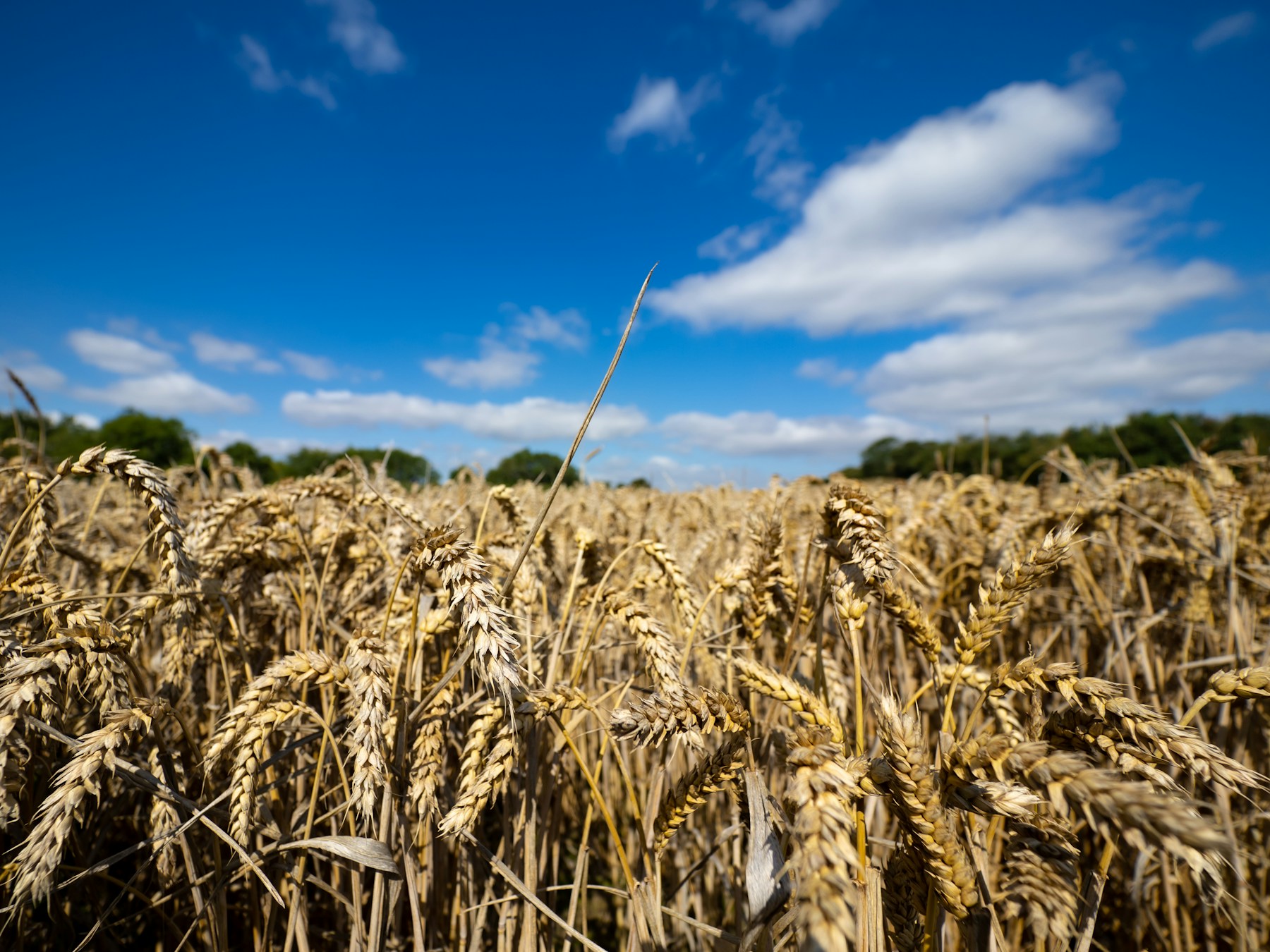
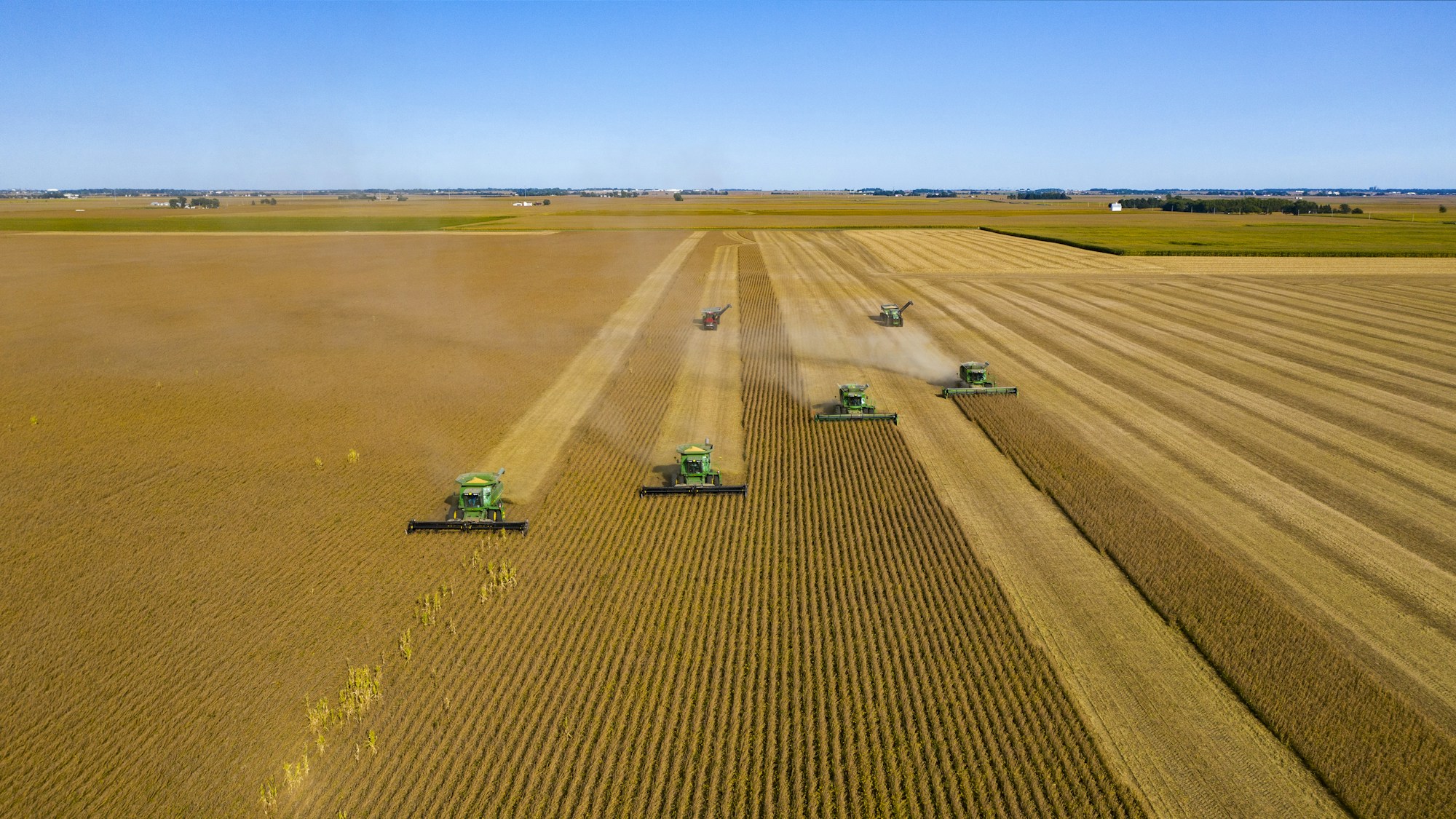
Across Lincolnshire, harvest season is one of the most visible times in the agricultural calendar. Fields change colour, combines return to the countryside and months of careful work finally produce a tangible result.
Agriculture remains enormously important to the wider UK economy. According to the Government’s farming evidence report, the UK agricultural industry included approximately 209,000 farm holdings in 2024, using 17 million hectares of land. That represents around 69% of the UK’s total land area.
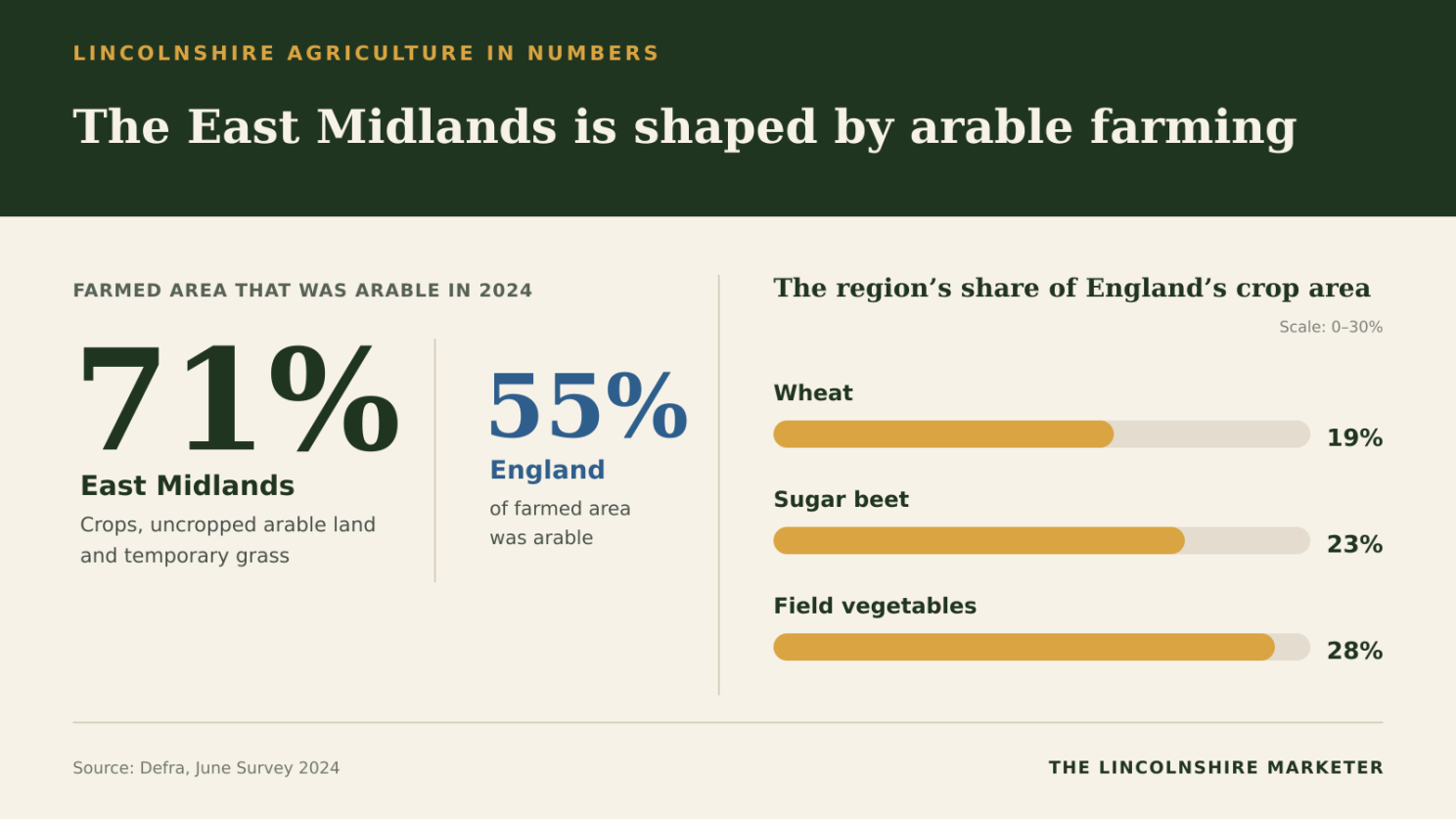
Lincolnshire sits within one of England’s most productive agricultural regions. Defra’s East Midlands agricultural profile shows that 71% of the region’s farmed area was arable in 2024, compared with 55% across England. The East Midlands also accounted for 19% of England’s wheat area, 23% of its sugar beet area and 28% of its field vegetable area.
Harvest therefore has a particularly visible place in Lincolnshire life. However, its success is not determined only during those final few days in the field. It begins much earlier, with planning, preparation, careful timing and consistent attention throughout the growing season.
The same principle applies to marketing.
Strong marketing results rarely come from one social media post, one email or a short advertising campaign. They are usually the outcome of a long-term marketing strategy that has been carefully planned, consistently delivered and adjusted as circumstances change.
Good results begin with a plan
Before anything can be harvested, decisions must be made about what to grow, where to grow it and when to begin. Those choices are shaped by the land, the season, available resources and the desired outcome.
Marketing also needs a clear plan.
Posting regularly can help a business remain visible, but activity without direction can waste time and money. Before choosing which platforms to use or what content to create, a business should understand:
- Who it wants to reach
- What those people need
- Which products or services it wants to promote
- What makes the business different
- What action it wants potential customers to take
- How success will be measured

A farm shop hoping to attract local families will require a different approach from an agricultural contractor looking to build relationships with farm managers. Both businesses need marketing, but their audiences, messages and most effective channels may be very different.
This is why a marketing strategy should begin with the business rather than the latest social media trend. A new platform or content format may look appealing, but it will only be useful if it helps the business reach the right people.
Strong foundations make future growth possible
Healthy growth depends on the conditions beneath the surface. In marketing, those foundations include a clear brand, an effective website and accurate business information. Before investing heavily in advertising or increasing social media activity, it is worth checking whether potential customers can easily understand what the business offers.
Your marketing foundations might include:
- A mobile-friendly website
- Clear product or service pages
- Accurate contact and location information
- An updated Google Business Profile
- Consistent branding
- A straightforward way to make an enquiry or purchase
- Reviews and evidence of previous work
According to Google’s official Business Profile guidance, adding and verifying a Business Profile allows customers to find a business through Google Search and Google Maps. Businesses can also control important information such as their address, opening hours, telephone number and website link.
This can be particularly valuable for rural businesses, farm shops, holiday accommodation and visitor attractions that customers may need help locating. Attracting more website visitors will not necessarily generate more business if people arrive on a confusing page or cannot find the information they need. Strong foundations help ensure that the interest created by your marketing has somewhere useful to go.
The Lincolnshire Marketer’s Useful Marketing Links directory includes practical tools for checking local listings, website performance, reviews and other elements of your online presence.
Consistency matters more than occasional bursts of activity
Crops require attention throughout the season, not only at the beginning and end. Marketing works in a similar way. Many small businesses market themselves intensely when enquiries become quiet, then stop as soon as work becomes busy again. This creates an unpredictable cycle in which marketing is only restarted when it is urgently needed.
Consistent activity helps a business remain familiar. A potential customer may encounter your business several times before deciding to make contact. They might discover you through Google, see one of your LinkedIn posts, visit your website and then remember your name several weeks later.
Not every piece of content will produce an immediate enquiry, but it can still contribute to recognition and trust. Consistency does not mean posting every day. A manageable schedule that can be maintained is more valuable than an ambitious plan that is abandoned after a few weeks.
For a small business, this could mean:
- Publishing one useful article each month
- Sharing two or three social media posts each week
- Sending a regular customer email
- Asking for reviews throughout the year
- Updating website information when something changes
- Reviewing marketing results at the end of each month

The right schedule will depend on the time, budget and people available. The important thing is to choose a realistic level of activity and continue delivering it.
The right activity needs to happen at the right time
Timing plays an important role in both farming and marketing.
Seasonal businesses cannot wait until demand has already started before beginning their promotion. Customers often research, compare and book earlier than expected.
A Lincolnshire pumpkin patch may need to begin building awareness before October. A farm shop should promote Christmas ordering well before December. Holiday accommodation providers need to plan campaigns around school holidays, local events and the moments when visitors are most likely to book.
Creating a simple annual marketing calendar can help businesses prepare for:
- Seasonal changes
- Product launches
- Local events
- Industry exhibitions
- Booking periods
- Application deadlines
- Awareness days
- Quieter trading periods
Starting early provides more time to create useful content, prepare accurate information and give potential customers several opportunities to encounter the business. It also reduces the pressure to create an entire campaign at the last minute.
Conditions change, so plans must be flexible
Even the most carefully prepared plan may need to change when conditions do. Marketing can be affected by customer behaviour, new competitors, economic pressures, platform updates and changes in the way people search for information. A strategy should provide direction without becoming so rigid that it prevents a business from responding.
Businesses can monitor performance through website analytics, Google Search Console, advertising results, enquiries and customer feedback. If something is not working, the answer is not always to stop marketing completely. It may be necessary to change the message, creative format, audience, offer or channel.
For example, a social media campaign receiving plenty of engagement but very few website visits may need a clearer call to action. A website attracting visitors but producing few enquiries may need stronger service information or a simpler contact process.
Data can help identify where customers are losing interest, but it needs to be considered alongside the realities of the business. Seasonal demand, weather, local events and changes in customer budgets may all influence performance. Adaptation is part of an effective strategy.

Marketing needs time to mature
One of the most important lessons harvest season offers is patience.
Some marketing activities can generate relatively quick results, particularly paid advertising and limited-time promotions. Others, including search engine optimisation, brand recognition, customer relationships and organic social media, take longer to develop.
Google explains in its SEO Starter Guide that some website changes may be reflected in search results within a few hours, while others can take several months. Google generally recommends waiting a few weeks before assessing whether SEO work has produced a beneficial effect.
A new website may need time to become established in search results. A new social media account needs an audience. An email list must be built before it can consistently support sales. This does not mean waiting indefinitely without reviewing performance. It means setting realistic expectations and measuring progress using more than immediate revenue.
Early signs of growth might include:
- More people finding the business through search
- Increased website traffic
- More returning visitors
- Greater engagement with useful content
- More email subscribers
- An increase in searches for the business name
- Better-quality enquiries
These indicators can show that marketing is moving in the right direction before the full commercial return becomes visible.
Useful content should be created for people
Producing more content is not automatically the same as producing better marketing. A business could publish something every day and still struggle to generate meaningful results if that content does not answer customer questions, communicate value or help people make a decision.
Google’s guidance recommends creating helpful, reliable and people-first content rather than material produced primarily to attract search engine traffic.
For a farming or rural business, useful content might include:
- Explaining where products come from
- Introducing the people behind the business
- Answering common customer questions
- Sharing accurate opening and collection information
- Showing how a service is delivered
- Explaining seasonal availability
- Offering practical advice based on genuine experience
- Sharing the story behind a product or diversification project
This type of content can support search visibility while also helping customers understand and trust the business.
Learn from the results and prepare for the next season
Harvest is not simply the end of one cycle. It also provides information that can influence the next.
Marketing should be reviewed in the same way. Look at which campaigns generated enquiries, which website pages attracted visitors and which topics connected most strongly with your audience.
Consider asking:
- Which services or products generated the most interest?
- Where did the best enquiries come from?
- Which content performed well?
- What questions did customers repeatedly ask?
- Which activities took considerable time without producing value?
- What should be repeated, changed or removed?
- Are we measuring the outcomes that matter to the business?
The Lincolnshire Marketer’s Marketing Glossary can help explain common terms such as click-through rate, cost per acquisition, conversion rate and return on advertising spend.
Marketing data does not need to become overly complicated. A small number of useful measurements, reviewed regularly, can be more valuable than a large report that nobody uses.
Planting the foundations for future growth
Marketing is not about constantly producing more content or following every new trend. It is about choosing the right activity, doing it consistently and giving it enough time to work.
The results people see are often supported by months or years of activity behind the scenes. A recognisable brand, a trusted reputation and a reliable flow of enquiries are rarely created overnight.
For Lincolnshire’s small and rural businesses, the lesson from harvest season is a valuable one: plan carefully, build strong foundations, respond to changing conditions and continue nurturing your marketing before you urgently need the results. What you put in place today could become an important source of business in the months and seasons ahead.
Need support with your marketing?
If you are unsure what to prioritise, need help creating a practical marketing plan or would like another perspective on your website, content or online visibility, The Lincolnshire Marketer is here to help.
Contact The Lincolnshire Marketer to tell us about your business and the marketing challenges you are facing.