Lincolnshire Business
Back British Farming Day 2026: How Lincolnshire Businesses Can Support British Farming
Discover why Back British Farming Day matters in Lincolnshire and practical ways local businesses can support British farmers, growers and producers.
“It is a chance for businesses to consider how everyday purchasing, partnerships and marketing activity can support British farming throughout the year.”
On Wednesday 9th September 2026, businesses and communities across the country will mark Back British Farming Day, the National Farmers’ Union’s annual celebration of the farmers and growers producing our food, caring for the countryside and supporting the wider UK economy.
For businesses in Lincolnshire, farming is particularly close to home. Agriculture shapes our landscape, supports local employment and feeds into a much wider network of manufacturers, hauliers, engineers, hospitality businesses, retailers and professional services.
Back British Farming Day is therefore an opportunity to think beyond simply sharing a social media post. It is a chance for businesses to consider how everyday purchasing, partnerships and marketing activity can support British farming throughout the year.
Why farming matters so much to Lincolnshire
Greater Lincolnshire is one of the country’s most important food-producing areas. According to Business Lincolnshire, the region produces around a third of England’s vegetables, alongside supporting a substantial food manufacturing and logistics sector.
That influence is visible throughout the county, from arable farms across the Wolds and Fens to livestock businesses, growers, food processors and the many organisations supplying them. When Lincolnshire farms invest and grow, that can create opportunities for machinery suppliers, accountants, marketing businesses, builders, transport companies, technology providers, shops, restaurants and many other organisations.
The sector also faces significant challenges, including rising costs, changing regulation, labour pressures and unpredictable weather. Supporting British farming helps strengthen a supply chain that many Lincolnshire businesses rely on directly or indirectly.
How can Lincolnshire businesses support British farming?
You do not need to work in agriculture to get involved.
1. Buy British where possible
One of the simplest actions is to look at where the food and ingredients your organisation purchases come from. Restaurants, cafés, hotels and caterers can review menus and supply chains, while offices can consider British produce when buying milk, food for meetings, staff refreshments or corporate gifts.
The NFU’s Back British Farming campaign provides further guidance on supporting British food and farming.
2. Source from Lincolnshire producers
Businesses can also look closer to home. Lincolnshire has farm shops, butchers, bakers, growers, breweries and specialist food producers operating across the county.
Hospitality businesses might introduce more locally sourced ingredients, while other organisations could choose Lincolnshire products for hampers, events, staff rewards or client gifts. Buying locally can also give your business a stronger story to tell customers.
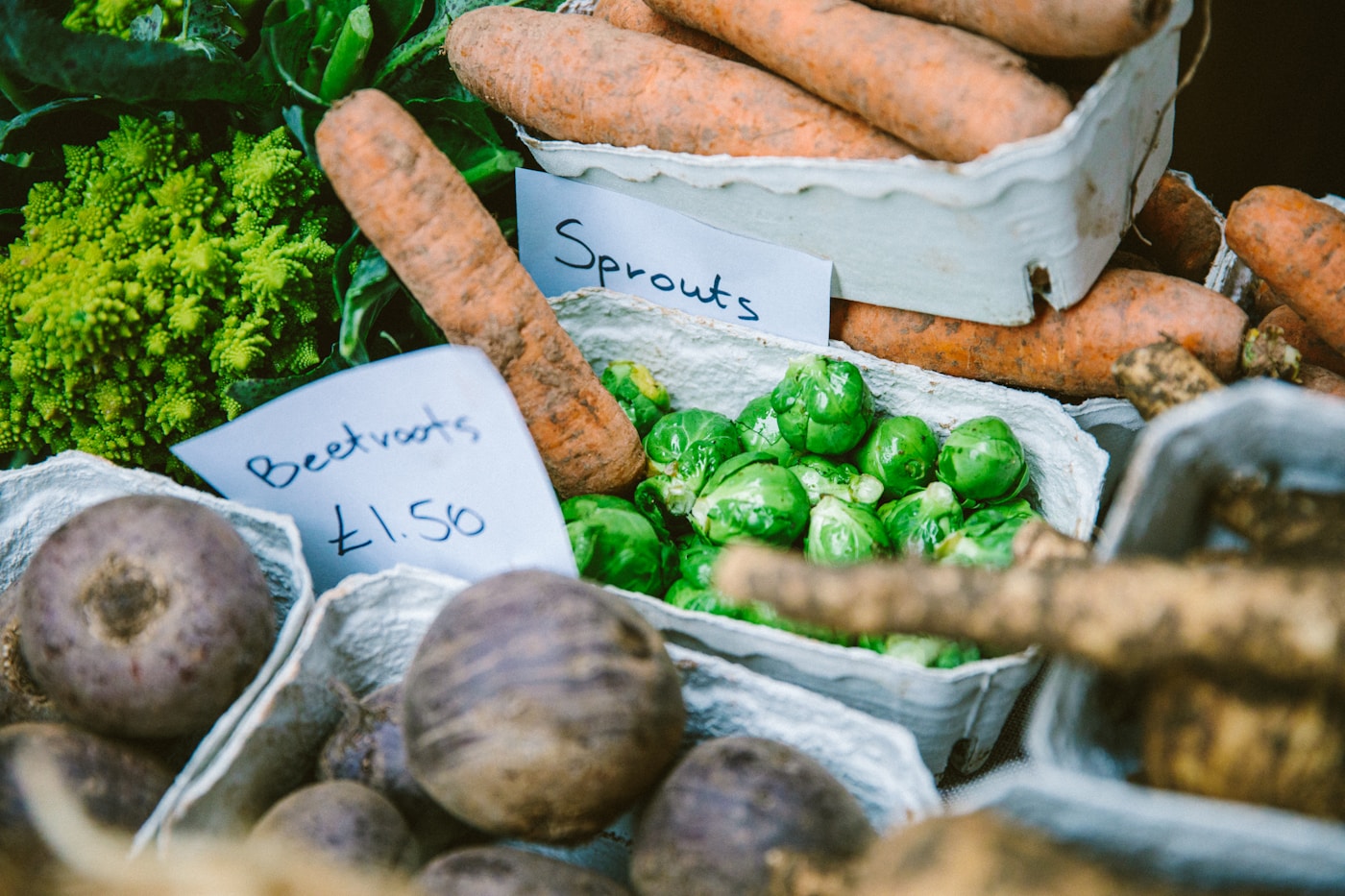
Photo by Mike Erskine on Unsplash.
3. Build relationships with rural businesses
Supporting farming does not always mean buying food. Could your business use a Lincolnshire supplier, collaborate with an agricultural business or recommend another rural organisation?
Strong local networks help money circulate within the regional economy and can introduce businesses to new customers and opportunities. Our guide to Lincolnshire business directories and local listings is a useful place to start when improving local visibility or discovering other organisations across the county.
4. Give farmers and producers a platform
If your business has an established audience, use it. A restaurant could introduce the farm supplying its meat. A retailer could profile a Lincolnshire producer it stocks. An accountant, solicitor or marketing agency working with agricultural businesses could share useful sector-specific advice.
This type of content is far more meaningful than simply adding #BackBritishFarmingDay to an unrelated promotional post. It can also help demonstrate genuine local knowledge and strengthen your wider local marketing.
5. Tell people where your products come from
If your business already uses British or Lincolnshire produce, make that information easier to find. Add supplier information to menus, product pages or your website. Introduce producers on social media. Explain why you chose them and, where appropriate, link directly to their business. Good provenance information helps customers understand the connection between what they buy and the people producing it.
6. Use your marketing to educate
British farming provides businesses with plenty of useful content opportunities. Behind-the-scenes videos, supplier spotlights, farmer interviews and simple explanations of where ingredients originate can all turn Back British Farming Day into something more valuable than another awareness-day graphic. You can find more seasonal opportunities in our 2026 Lincolnshire Marketing Calendar.
Back British Farming Day in Lincolnshire
This year’s campaign also has a strong local connection. The NFU is holding a Back British Farming Day event near Woodhall Spa on the 9th September, bringing together Lincolnshire farmers, growers, industry representatives and politicians to celebrate the county’s contribution to British food production. You can keep up with local farming news through the NFU Lincolnshire updates.
For much of Lincolnshire, farming is not separate from everyday business life. It is part of the county’s economy, landscape and identity.
Planning your next local campaign?
Back British Farming Day is just one of many opportunities throughout the year for Lincolnshire businesses to create timely, locally relevant content. From agricultural events and seasonal campaigns to tourism dates, food celebrations and awareness days, planning ahead makes it easier to create content that connects with your audience.
Explore our September 2026 Marketing Calendar for more upcoming opportunities, or browse the full 2026 Lincolnshire Marketing Calendar. You can also use our Local SEO Checklist for Lincolnshire Small Businesses to make sure your local content is helping people find your business online.
For more inspiration from the farming calendar, read What the Lincolnshire Harvest Season Can Teach Us About Marketing. It explores how planning, consistency and timing can help your marketing grow throughout the year.
Frequently asked questions
What is Back British Farming Day?
Back British Farming Day is an annual campaign organised by the National Farmers’ Union to celebrate the contribution British farmers and growers make to food production, rural communities, the economy and the countryside.
When is Back British Farming Day 2026?
Back British Farming Day takes place on Wednesday 9th September 2026.
Why is farming important to Lincolnshire?
Lincolnshire is one of England’s most important agricultural and food-producing areas. Farming also supports food manufacturing, engineering, transport, hospitality, professional services and many other local industries.
How can a small business support British farming?
Businesses can buy British produce, source from local suppliers, promote Lincolnshire producers, use local products for events or gifts and share the stories behind the farms and businesses they work with.
Do I need to be an agricultural business to take part?
No. Businesses in retail, hospitality, professional services, marketing and many other sectors can support farming through their purchasing decisions, partnerships and communications.
Further reading
- 9 Ways to Back British Farming – NFU
- Back British Farming – NFU
- NFU Lincolnshire Updates
- Business Lincolnshire
- Lincolnshire Business Directories and Local Listings
- 2026 Lincolnshire Marketing Calendar
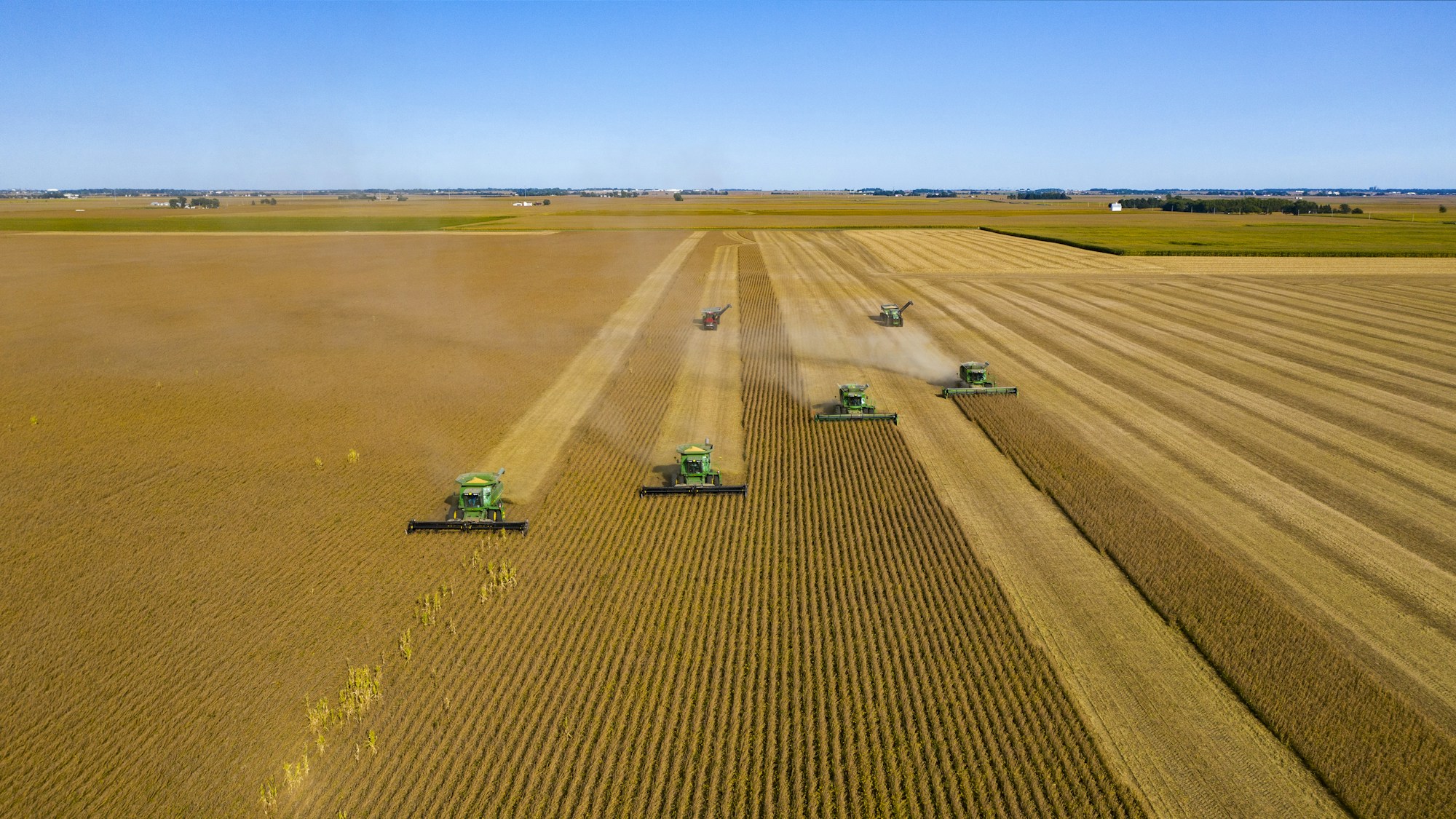
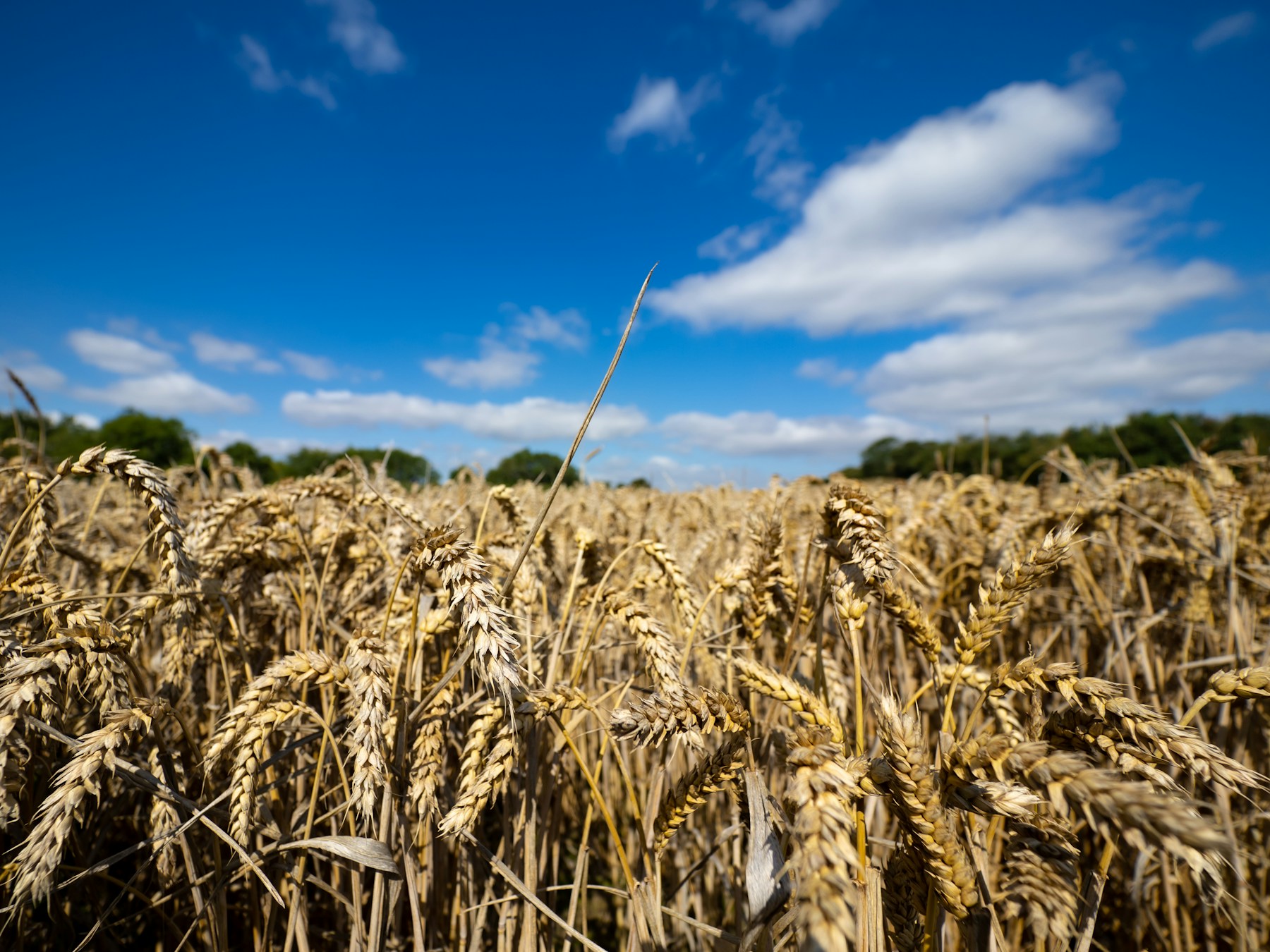
Hero photograph by Pauline Bernfeld on Unsplash.