Local SEO
How Zero-Click Search Is Changing Local SEO for Lincolnshire Businesses
Customers can find your opening hours, reviews and contact details without leaving Google. Discover what zero-click search means for Lincolnshire businesses and how to stay visible.
“The goal is no longer simply to win every click. It is to become the Lincolnshire business people find, trust and remember.”
What if a potential customer finds your Lincolnshire business on Google, gets the information they need and never actually visits your website?
That might sound like a problem. Increasingly, however, it is simply part of the way people use search.
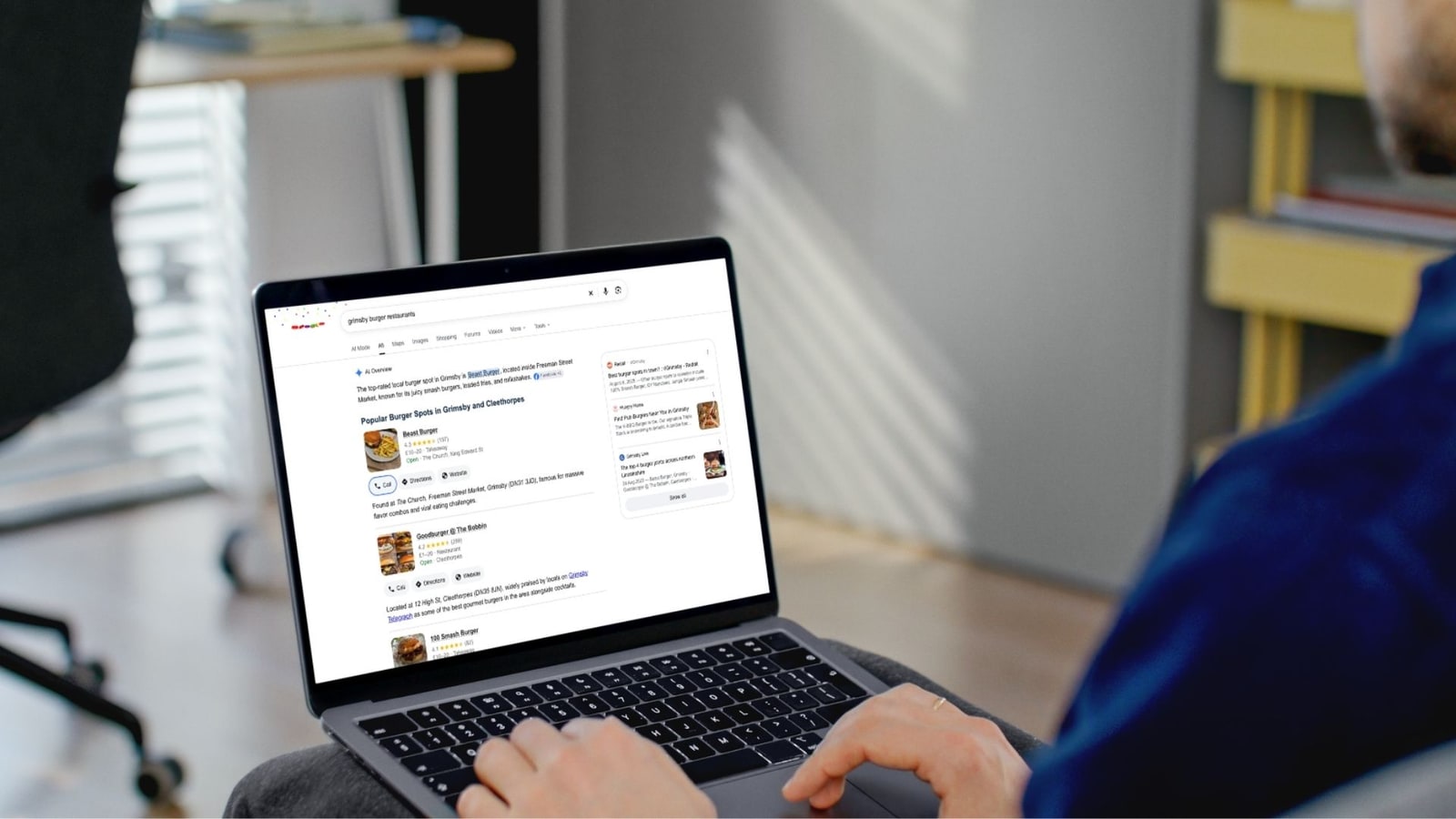
Someone searching for a restaurant in Lincoln might look at opening hours, photos and reviews without leaving Google. A homeowner looking for a plumber near Louth could find a telephone number directly in the search results. Someone planning a weekend in Skegness might compare attractions through Google Maps, while a business owner looking for an accountant in Boston could get their first impression from search listings before ever reaching a company website.
These are all examples of what is commonly known as a zero-click search. And in 2026, zero-click searches have become particularly important for UK businesses.
What is a zero-click search?
A zero-click search happens when someone searches Google but does not click through to a website. Instead, the information they are looking for may be available directly within the search results through features such as:
- Google Business Profiles
- Google Maps
- Featured snippets
- Local search results
- Opening hours and contact information
- Reviews
- Images
- AI Overviews and other AI-powered search features
- Other information displayed directly within Google
A zero-click search does not necessarily mean that the search was unsuccessful. In some cases, the person has found exactly what they needed. They might have called the business, checked its opening hours, found directions, compared reviews or simply remembered the business name for later.
This makes zero-click search an important reminder that website traffic alone no longer tells the whole story of your online visibility.
Nearly 7 in 10 UK Google searches end without a click
Research published by SparkToro in June 2026, using Similarweb mobile and desktop clickstream data, found that 69.5% of UK Google searches ended without a click. The UK had the highest zero-click rate of the six countries included in the comparison, with only 30.5% of UK searches recording one or more clicks.
It is worth understanding the methodology behind the figure. The research covers browser-based mobile and desktop searches rather than every possible Google search environment, so the percentage is best treated as a useful indication of changing search behaviour rather than a measurement of every Google search carried out in the UK.
Even with that caveat, the direction of travel is difficult for businesses to ignore. Google is continuing to develop AI-powered search experiences that can answer questions, summarise information and help users explore topics directly within Search.
You can read more about how this development affects local companies in our guide to AI Search for Lincolnshire Small Businesses.
That means businesses increasingly need to think not only about getting people onto their website, but also about how their business appears before the click happens.
Why zero-click search matters for Lincolnshire businesses
Zero-click search is particularly relevant to businesses that depend on local customers. Across Lincolnshire, people regularly make searches with strong local intent, such as:
- Restaurants in Lincoln
- Electrician near Louth
- Things to do in Skegness
- Accountants in Boston
- Wedding venues in Lincolnshire
- Shops near me
- Hotels near the Lincolnshire Wolds
- MOT centre near me
Many of these searches can produce Google Maps listings, business information, reviews, photographs, opening hours and other results that allow someone to begin comparing businesses without opening a website.
According to Google’s guidance on improving local search visibility, local results are primarily influenced by factors including relevance, distance and prominence. Google also recommends that businesses keep their information complete, accurate and up to date.
For a Lincolnshire business, your Google presence can therefore become part of the customer journey in its own right. Someone may encounter your business several times before they finally visit the website, make an enquiry or walk through the door.
Your website is still important
A rise in zero-click searches does not mean websites or SEO have stopped mattering. Quite the opposite. Your website remains one of the clearest places to explain:
- What your business does
- Which services or products you provide
- Where you are based
- Which areas you serve
- Your experience and expertise
- Answers to common customer questions
- Examples of previous work
- Why customers might choose you
- How someone can take the next step
Google can also use publicly available information from business websites and other online sources to better understand companies and their information. This is why traditional SEO and AI search should not be considered completely separate strategies.
Your website gives search engines, AI systems and potential customers a clearer picture of your business. For a wider introduction to this, read Why AI Search Matters for Small Businesses in Lincolnshire.
How can Lincolnshire businesses improve their zero-click visibility?
There is no single tactic that guarantees visibility. Instead, focus on giving search engines and potential customers clear, accurate and genuinely useful information about your business.
1. Keep your Google Business Profile up to date
For businesses serving a local area, your Google Business Profile is one of the most important places to start.
A Business Profile can display important information directly within Google Search and Maps, including:
- Your business name
- Address or service area
- Telephone number
- Website
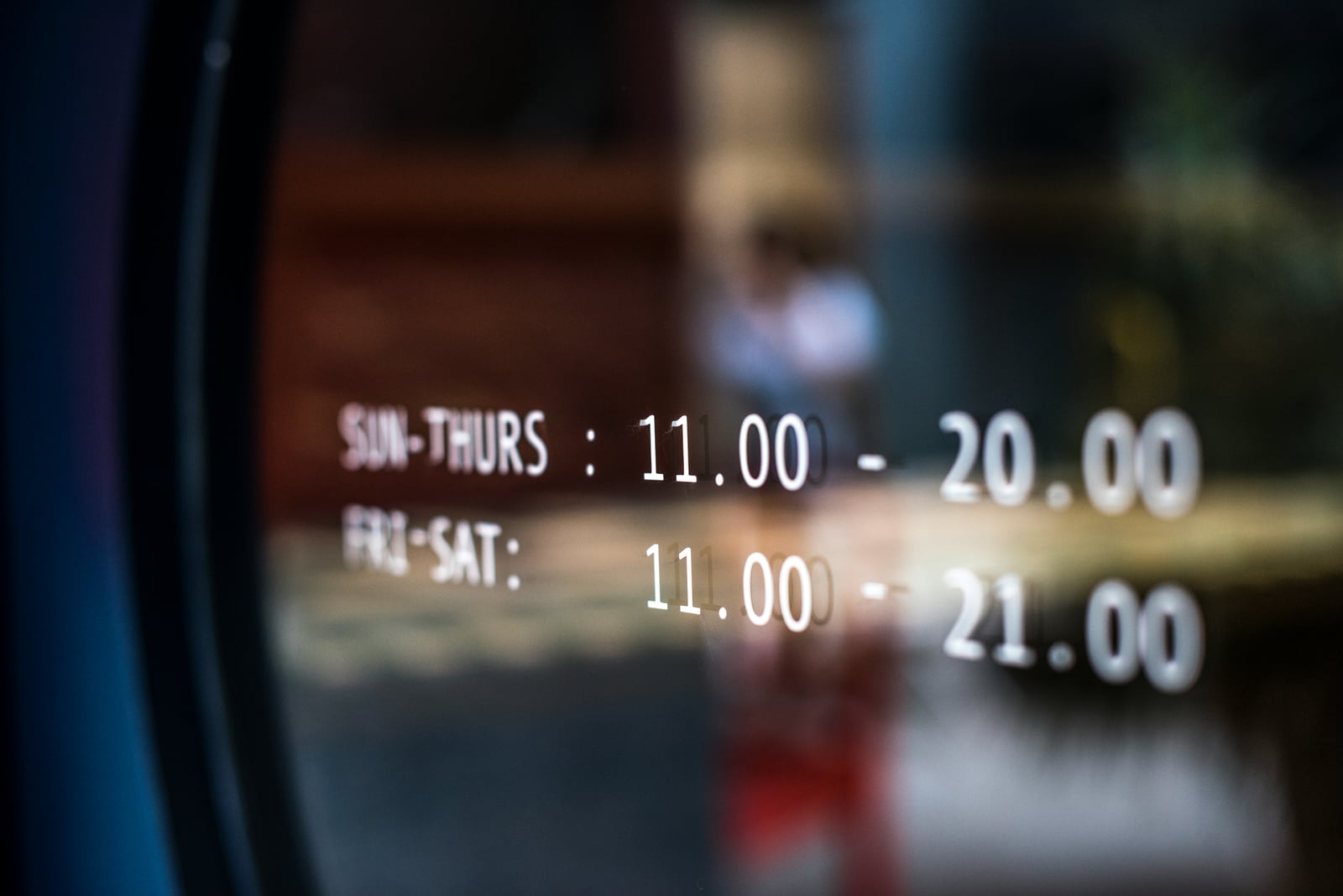
- Opening hours
- Business categories
- Products and services
- Photographs
- Customer reviews
Google recommends keeping this information complete and accurate to improve the chances of appearing for relevant local searches.
If you are unsure where to begin, work through our Local SEO Checklist for Lincolnshire Small Businesses.
It covers Google Business Profile optimisation, reviews, local listings, website content and ongoing tracking.
2. Answer the questions your customers actually ask
Think about the conversations you have with customers every week. What do people want to know before buying from you?
For example:
A restaurant might answer:
- Do you cater for allergies?
- Is there parking nearby?
- Are dogs allowed?
- Do I need to book?
A tradesperson might answer:
- Which parts of Lincolnshire do you cover?
- Do you provide free quotations?
- How quickly can you attend?
- What type of work do you undertake?
A professional services company might answer:
- Who do you work with?
- How much does the service cost?
- What happens during the first meeting?
- Do you work with businesses outside Lincoln?
Questions like these can become useful service-page content, FAQs and blog articles. Clear answers make pages more useful to customers while also giving search engines clearer information about your business.
3. Make your location obvious
Do not assume Google or your customers know where you work. Your website should make it clear whether you are:
- Based in a particular Lincolnshire town
- Serving the whole county
- Covering several neighbouring areas
- Operating throughout the Lincolnshire Wolds
- Serving the east coast
- Working nationally from a Lincolnshire base
This does not mean adding “Lincolnshire” unnaturally to every paragraph. Instead, provide genuinely useful geographical information.
A business based near Horncastle, for example, might explain that it regularly serves customers across Horncastle, Louth, Spilsby and the surrounding Wolds. That information helps customers and search engines determine whether the business is relevant to a particular search.
4. Build a consistent presence beyond your website
A customer might discover your business through Google today, see one of your LinkedIn posts next week and hear your name recommended by somebody a month later. That is why online visibility should not depend entirely on one channel. Keep your business information consistent across:
- Your website
- Google Business Profile
- Social media
- Local directories
- Industry directories
- Tourism websites where relevant
- Membership organisations
- Review platforms
If you need ideas for suitable local listings, read our guide to Lincolnshire Business Directories and Local Listings. You can also browse our Useful Marketing Links for links to national and Lincolnshire-specific business directories and marketing resources.
The aim is not to appear on every directory available. Focus on reputable sites that customers are genuinely likely to use.
5. Create original content worth finding
AI-powered search makes original, useful information increasingly valuable. Rather than producing another generic article that could apply to any company anywhere in the country, look for subjects where your own experience adds something. For a Lincolnshire business, that might mean content about:
- Local projects
- Lincolnshire case studies
- Seasonal challenges
- Local events
- Customer questions
- Your sector
- Changes affecting businesses locally
- Detailed guides based on your own expertise
- First-hand experience
A holiday park on the Lincolnshire coast, for example, could create useful content around things families can do during a stay. A trades business might explain which areas it serves and share examples of completed work across the county.
A professional service provider might answer common questions that local businesses regularly ask before making an enquiry. Useful, specific content gives both people and search systems more information to understand your business and expertise.
6. Make your brand recognisable
If someone does not click today, you still want them to remember who they saw. This is where brand recognition becomes particularly important.
Try to use a consistent:
- Business name
- Logo
- Visual identity
- Tone of voice
- Message
- Area of expertise
Across your search presence, website, social media and email marketing. A search may not generate an immediate website visit, but it could still introduce someone to your business.
If they encounter the same company again later, that familiarity can make your business easier to recognise and remember.
Stop measuring SEO only by website traffic
Website visits remain an important metric, but zero-click search means they should not be viewed in isolation. Depending on your business, it can also be useful to monitor:
- Google Business Profile interactions
- Telephone calls
- Direction requests
- Search impressions
- Search rankings
- Branded searches
- Enquiries
- Bookings
- Form submissions
- Email sign-ups
- Leads and sales generated through organic search
Google Search Console can also provide useful information about how often your website appears within Google Search and which queries generate impressions and clicks.
This gives businesses a wider view of search performance than simply looking at website sessions. The important question is increasingly not simply:
“How many people visited our website?”
It is:
“How visible are we when potential customers are looking for what we offer, and is that visibility contributing to enquiries, recognition and sales?”
Zero-click search does not mean SEO is dead
It is easy to look at a statistic such as 69.5% and conclude that there is little point investing in SEO. That would miss the bigger picture. People are still searching.
What is changing is where they find the information they need and how far through their decision-making process they get before visiting a website.
For Lincolnshire businesses, this means SEO needs to extend beyond trying to achieve a traditional search listing and generate a click. Your online presence should help someone understand:
Who you are.
What you do.
Where you are.
Why they should trust you.
What they should do next.
Sometimes that journey will lead directly to your website. Sometimes it might lead to a telephone call from your Google Business Profile. Sometimes a potential customer may discover your name today and return weeks later. All of those interactions can matter.
Think beyond the click
Zero-click search changes what successful online visibility can look like. Your website remains an important foundation, but it now sits within a much wider search experience involving Google Maps, Business Profiles, reviews, AI-generated answers, social media and other online sources.
For Lincolnshire businesses, the practical response is not to chase every new Google feature. Start with the fundamentals.
Answer customer questions clearly. Keep your business information accurate. Make your services and location easy to understand. Publish useful, original content. Maintain your Google Business Profile. Build a recognisable presence across search, your website, social media and email. You can use our Local SEO Checklist as a practical starting point, or explore more Lincolnshire marketing advice and resources in The Lincolnshire Marketer Knowledge Centre.
The goal is no longer simply to win every click. It is to become the Lincolnshire business people find, trust and remember.
Frequently asked questions
What is a zero-click search?
A zero-click search happens when someone searches Google but does not click through to another website. They may find the information they need directly through Google Maps, a Business Profile, featured snippet, AI-generated result or another search feature.
How common are zero-click searches in the UK?
Research published by SparkToro in June 2026, using Similarweb data, found that 69.5% of UK Google searches within its dataset ended without a click.
Are zero-click searches bad for small businesses?
Not necessarily. A customer might find your telephone number, opening hours, reviews or directions directly in Google and still contact or visit your business. However, zero-click searches mean businesses should consider visibility and customer actions alongside website traffic.
Does SEO still matter if people do not click?
Yes. Search engines still need reliable information to understand what your business offers. Your website, Google Business Profile, local listings, reviews and original content all contribute to your overall online presence.
How can a Lincolnshire business improve its Google visibility?
Start by keeping your Google Business Profile accurate, clearly explaining your services and locations on your website, answering customer questions, building reviews, maintaining consistent local listings and publishing useful content.
Our Local SEO Checklist for Lincolnshire Small Businesses provides a practical step-by-step starting point.