Ecommerce
Shopify vs WordPress: Which Is Better for a Lincolnshire Business?
Compare Shopify and WordPress with WooCommerce to find the right ecommerce platform for your Lincolnshire business, including seasonal and in-person selling.
“The right platform is the one that fits how your business operates during both its busiest and quietest periods.”
Choosing the right ecommerce platform can affect how easily you manage products, process orders and continue generating sales throughout the year. For Lincolnshire’s independent retailers, makers, artists, food and drink producers, farm shops and visitor-focused businesses, the decision also needs to reflect seasonal trading.
Spring and summer can bring increased footfall through markets, agricultural shows, festivals, coastal events and pop-up shops. Outside the main visitor season, an online shop can help businesses continue selling to local customers, previous visitors and shoppers elsewhere in the UK.
Shopify and WordPress with WooCommerce are two of the most popular ecommerce options. Both can support a successful online shop, but they provide very different experiences.
WordPress offers extensive flexibility and control. Shopify provides a more contained, user-friendly ecommerce system and its own point-of-sale tools. This can make Shopify particularly useful for Lincolnshire businesses selling online, at events and from physical premises.
What is the difference between Shopify and WordPress?
Shopify is a hosted ecommerce platform. Website hosting, product management, checkout, payments and order processing are brought together within one central system.
WordPress is a content management system rather than a dedicated ecommerce platform. To sell products through a WordPress website, you will normally need to add an ecommerce plugin such as WooCommerce.
The simplest way to describe the difference is:
- Shopify is an ecommerce platform with website-building features.
- WordPress is a website platform to which ecommerce functionality can be added.
Neither is automatically right for every business. Your choice should depend on what you sell, where you sell it, the features you need and how comfortable you are managing a website.
Is Shopify easier to use than WordPress?
For many product-based businesses, Shopify is the easier platform to set up and manage. Its dashboard has been created specifically for ecommerce, bringing together the everyday activities involved in running a shop, including:
- Adding and updating products
- Managing prices and stock
- Processing and fulfilling orders
- Creating discounts
- Setting delivery and collection options
- Managing customer information
- Reviewing sales reports
- Taking payments online and in person
Because Shopify is hosted, you do not need to arrange separate website hosting or install ecommerce software yourself. Shopify also manages much of the technical infrastructure behind the website.
WordPress can be straightforward once it has been properly configured. However, creating a WordPress shop usually involves more individual components, such as hosting, a theme, WooCommerce, payment settings and additional plugins.
Is Shopify suitable for someone building their first website?
Shopify is generally the more user-friendly option for someone creating their first ecommerce website. Its guided setup, ready-made themes and ecommerce-focused dashboard can make it easier to create a professional online shop without needing to understand code, hosting or plugin compatibility.
This could particularly benefit a small Lincolnshire business that has previously relied on markets, social media, word of mouth or sales from physical premises and is now building its first website.
You will still need to prepare:
- Your branding
- Product descriptions
- Product photography
- Delivery and collection information
- Returns policies
- Payment settings
- Website terms and privacy information
However, the setup is contained within one platform.
With WordPress, a first-time website owner may also need to understand hosting, themes, plugins, backups, updates and website security. Managed WordPress hosting and professional support can simplify this, but Shopify is often easier for a business owner who wants to build and manage a shop independently.
Explore Shopify and start building your online shop – affiliate link.
Shopify POS can support seasonal Lincolnshire businesses
Shopify POS is Shopify’s point-of-sale system. It allows businesses to process transactions and take payments in person while connecting those sales to their online Shopify store. Products, orders, inventory and customer information can therefore be managed through the same connected system.
This could be useful for Lincolnshire businesses selling through a combination of:
- An ecommerce website
- A high-street shop
- A farm shop
- Farmers’ markets
- Craft fairs
- Agricultural shows
- Food festivals
- Seasonal events
- Pop-up shops
- Visitor attractions
Lincolnshire has a busy calendar of markets, shows and visitor events, particularly during spring and summer. Coastal businesses can also experience considerable seasonal changes as visitor numbers rise and fall.
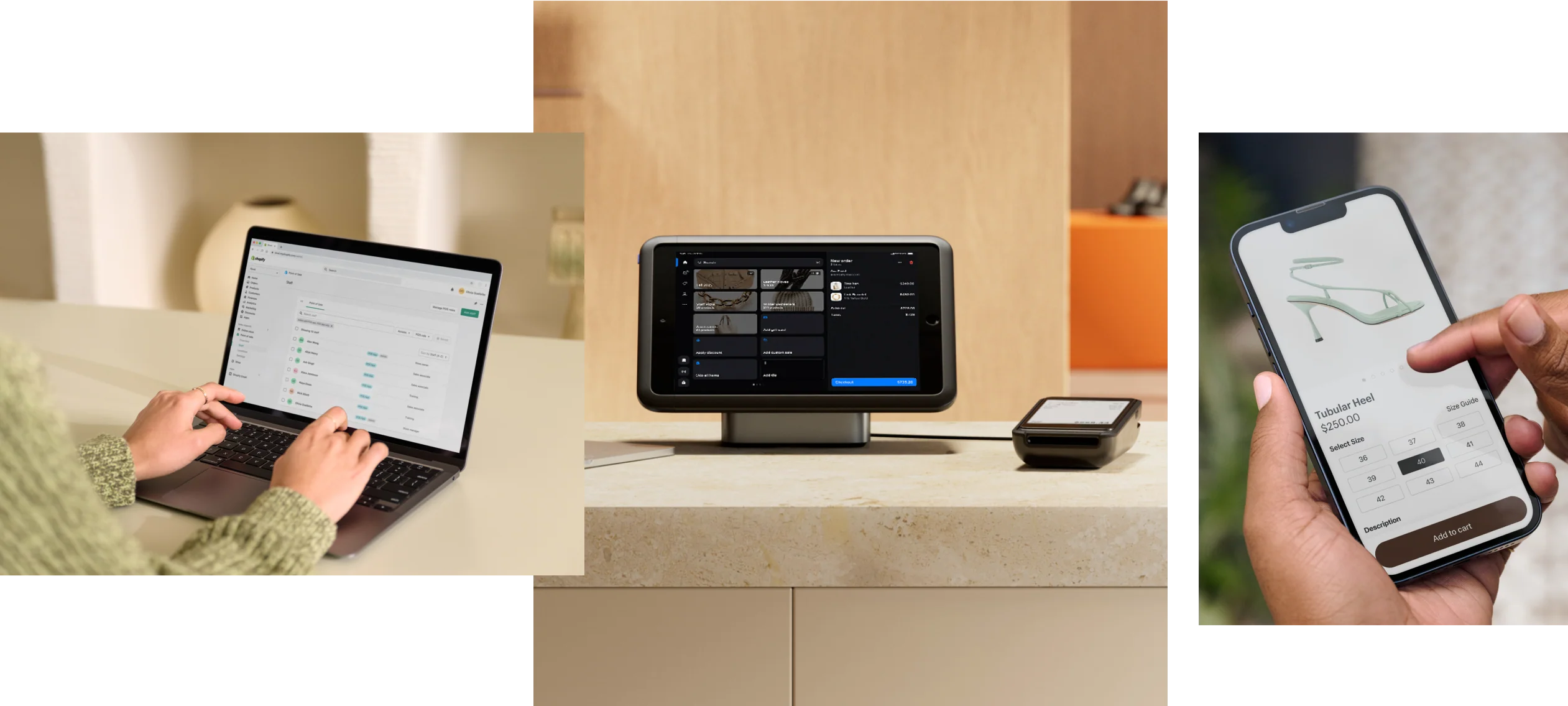
A connected POS system can help businesses make the most of increased summer footfall while continuing to sell online throughout the rest of the year. You can review the current Shopify POS features on Shopify’s official website.
Sell in person during summer and online out of season
An ecommerce website should not be viewed separately from in-person selling. The two can support one another throughout the year.
During the spring and summer, a Lincolnshire business might use Shopify POS at markets, festivals, agricultural shows, coastal events and temporary retail locations.
When footfall reduces outside the main visitor season, its Shopify website can continue generating sales from:
- Local residents
- Previous visitors
- Returning customers
- Christmas and seasonal gift buyers
- Customers elsewhere in the UK
- People discovering the business through search or social media
For example, someone visiting the Lincolnshire coast during summer might discover a local product at a market, visitor attraction or independent shop. An online store gives that person somewhere to purchase the product again after returning home.
Businesses can encourage repeat orders by including their website address or a QR code on packaging, receipts, leaflets and market displays.
Summer footfall can therefore help a Lincolnshire business build an audience for year-round online sales.
Keep online and in-person stock connected
Managing stock can become difficult when a business sells through several channels. Imagine that a maker takes the final units of a product to a summer market in Lincoln, Louth, Horncastle or along the Lincolnshire coast. Without a connected system, they may need to manually update the website after each sale.
When online and in-person transactions use the same inventory system, product availability can be updated as sales take place. This reduces the risk of accepting an online order for something that has already been sold at an event.
Connected sales information can also help the owner understand:
- Which products sell well online
- Which products perform best at events
- When seasonal demand begins to change
- Which items need to be restocked
- How online and in-person sales compare
- Whether event customers return to purchase online
These insights can help businesses plan stock for the next summer season and decide which products to promote during quieter months.
Businesses with shops, showrooms or regular market locations should also maintain accurate external listings. The Lincolnshire Marketer guide to Lincolnshire business directories and local listings explains where local businesses can create and update their information.
Clear product information and genuinely helpful content may also make your business easier for emerging search tools to understand. Read more about why AI search matters for Lincolnshire small businesses.
Can Shopify POS be used at markets and events?
Shopify POS can be used to process sales at markets, fairs, shows, festivals and pop-up shops using compatible devices and payment hardware. This makes it relevant to independent makers, artists, food and drink producers, gift businesses, clothing brands and other product-based businesses that do not operate from one permanent location.
Basic in-person selling tools are available with Shopify’s paid plans. Shopify POS Pro provides additional retail features for businesses with more advanced requirements.
Hardware and card-processing charges can also apply, so review the latest UK Shopify POS pricing before deciding.
Businesses attending outdoor or rural events should also consider:
- Internet and mobile signal availability
- Mobile battery life
- Compatible payment hardware
- Access to charging facilities
- A suitable backup payment option
A POS system should make busy trading days easier, but it is still important to prepare for the practical realities of selling at rural and outdoor events.
Can WordPress and WooCommerce support in-person sales?
A WooCommerce shop can be connected to a point-of-sale system, but an additional extension or third-party service will normally be required. This can work well if a business already uses a particular payment provider or needs a more bespoke retail setup. However, researching, installing and maintaining another integration may require more work than using an ecommerce platform with its own connected POS tools.
When comparing different systems, check whether they can synchronise:
- Online and offline inventory
- Product information
- Customer details
- Refunds and exchanges
- Orders from different locations
- Discounts and promotions
- Sales reports
This will help you determine whether an integration will simplify your work or create more administration during busy trading periods.
Is WordPress easy to use for ecommerce?
WordPress can be relatively straightforward once you are familiar with it, but creating an ecommerce website involves several moving parts.
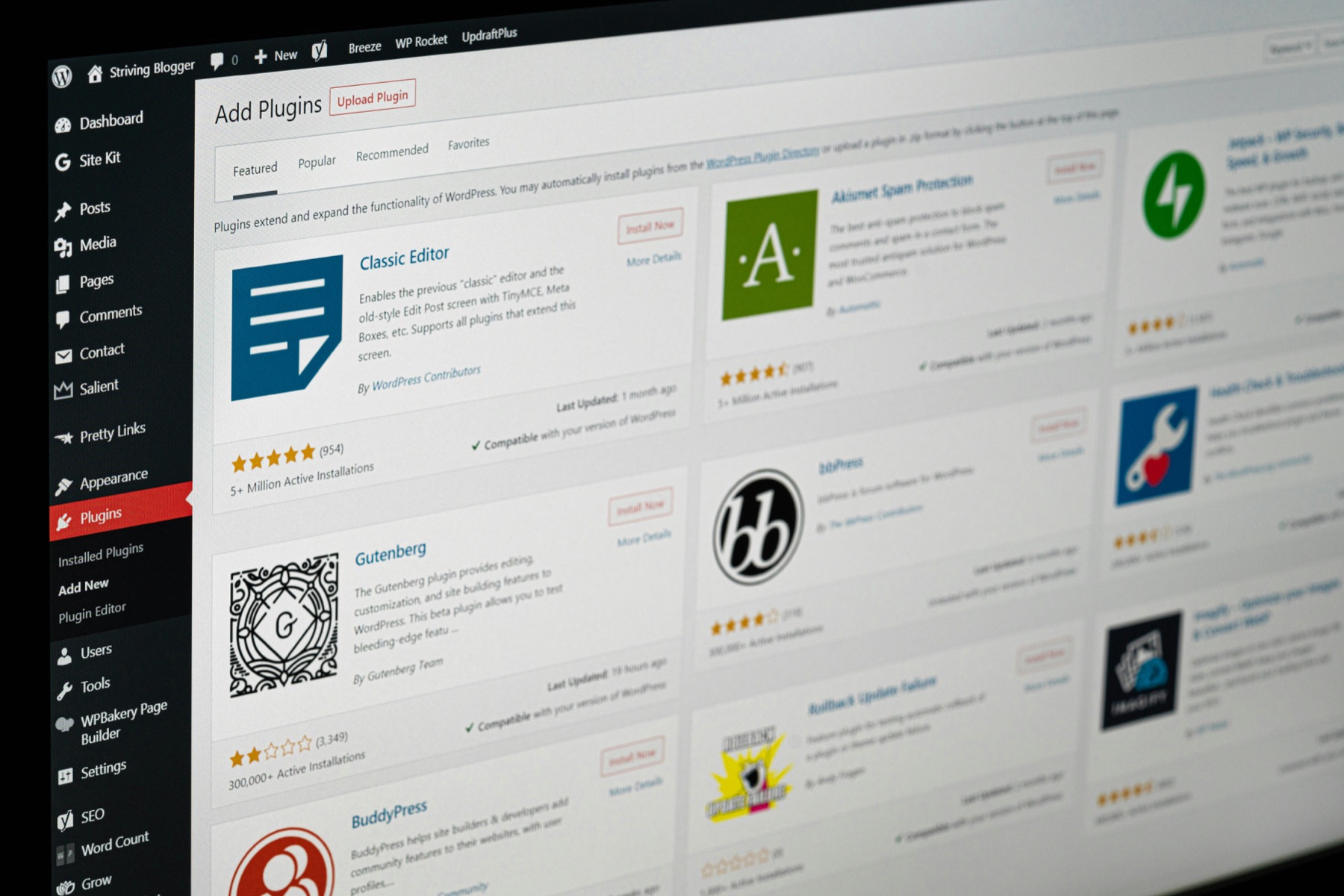
WooCommerce can be installed on an existing WordPress website or included as part of a managed hosting package. The official WooCommerce setup guide explains the different ways businesses can begin building a shop.
The core WooCommerce plugin provides the foundations for selling products. Additional functionality can then be added through WooCommerce extensions and other WordPress plugins.
Depending on how the website is built, the owner or developer may need to manage:
- Website hosting
- WordPress and WooCommerce updates
- Themes and plugins
- Website backups
- Security
- Payment integrations
- Website performance
- Compatibility between different components
This flexibility is one of WordPress’s biggest strengths. However, it can also create additional maintenance and technical responsibilities.
When might WordPress be the better choice?
WordPress can be an excellent option when content, flexibility or bespoke functionality is particularly important.
It may be the stronger choice if:
- Your website contains a large amount of editorial content.
- Blogging is central to your marketing strategy.
- You require a highly bespoke design.
- Your business needs unusual or custom functionality.
- You want greater control over hosting and technical configuration.
- You already have an established WordPress website.
- You have reliable development and maintenance support.
- Ecommerce is only one part of a larger website.
For example, a Lincolnshire visitor attraction might require extensive information about events, educational visits, venue hire and local history alongside its online shop. A carefully planned WordPress website could provide the necessary flexibility.
WooCommerce is highly customisable, but businesses should account for the time and expertise needed to maintain that flexibility.
When might Shopify be the better choice?
Shopify is likely to be the stronger option when selling products is the website’s main purpose and ease of use is a priority.
It may suit your Lincolnshire business if:
- You are creating your first ecommerce website.
- You want to begin selling relatively quickly.
- You would prefer not to arrange hosting separately.
- You sell both online and in person.
- Your sales change considerably with the seasons.
- You regularly attend markets, fairs or local events.
- You want to connect website and event stock.
- You want products and orders in one dashboard.
- You want to encourage summer visitors to purchase again online.
Shopify also has an app marketplace for businesses requiring additional functionality. Some apps have separate subscription charges, so check the complete cost of the features you intend to use.
Shopify vs WordPress: a quick comparison
| Area | Shopify | WordPress with WooCommerce |
|---|---|---|
| Initial setup | Guided and generally quicker | Requires hosting, WordPress and WooCommerce configuration |
| First website | Usually more user-friendly | Can involve a steeper learning curve |
| Hosting | Included and managed | Arranged separately or through managed hosting |
| Maintenance | Much of the platform is managed | Several components require ongoing maintenance |
| Product management | Built specifically for ecommerce | Managed through WooCommerce |
| Customisation | Available through themes, settings and apps | Extensive flexibility and bespoke development options |
| In-person selling | Connected Shopify POS system | Usually requires an additional POS integration |
| Seasonal trading | Online and event sales can be connected | Possible with suitable additional integrations |
| Blogging | Suitable for standard business content | Particularly strong for content-heavy websites |
| Best suited to | Businesses prioritising straightforward product sales | Businesses prioritising control and custom functionality |
Is Shopify or WordPress cheaper?
WordPress and the core WooCommerce plugin are open-source, but this does not mean a WooCommerce shop is free to build or operate.
Potential WordPress costs include:
- Domain registration
- Website hosting
- Premium themes
- Premium plugins
- WooCommerce extensions
- Security and backups
- Developer support
- Ongoing maintenance
- Payment-processing fees
Shopify charges a regular subscription, with different plans available depending on the needs of the business. There may also be payment-processing fees, app subscriptions, premium theme costs and POS hardware to consider.
Shopify publishes its current plans on its UK pricing page.
Compare the total annual cost rather than looking only at the advertised starting price. Include the value of your time and any professional support you are likely to need.
Is Shopify or WordPress better for SEO?
Both Shopify and WordPress can support a strong presence in search results. WordPress provides extensive control over content, templates and technical settings. It is particularly useful for businesses publishing substantial amounts of long-form or highly structured content.
Shopify includes many of the essential SEO features required by a product-based business, including:
- Editable page titles
- Meta descriptions
- Image alt text
- Redirects
- Product and collection content
- Automatic sitemap generation
- Mobile-responsive themes
The platform alone will not determine whether your website performs well in search results.
Whichever one you choose, you will still need:
- Clear product names and descriptions
- Helpful collection pages
- Original product photography
- Descriptive image alt text
- Logical website navigation
- Delivery and collection information
- Answers to common customer questions
- Links between relevant pages
- Useful seasonal content
Lincolnshire businesses should also explain where they are based, where customers can find them in person and which markets or events they regularly attend. The best platform for SEO is often the one your business can maintain properly. Use The Lincolnshire Marketer’s Website Content Checklist to review whether your website gives customers the information they need.
Which platform should your Lincolnshire business choose?
Choose Shopify if you want a straightforward ecommerce platform, especially if you are creating your first online shop or selling products both online and in person. Its ecommerce-focused dashboard and connected POS tools make it particularly relevant to Lincolnshire retailers, makers and independent businesses that attend events, operate pop-up shops or experience seasonal changes in footfall.
Shopify can help you sell directly to visitors during the busy summer season while keeping your products available online during quieter months.
Choose WordPress with WooCommerce if you require greater control, have unusual technical requirements or want a content-led website where ecommerce is only one part of a wider online presence. WordPress can be extremely powerful, but hosting, maintenance and technical support should be included when comparing the time and cost involved.
The right platform is the one that fits how your business operates during both its busiest and quietest periods.
Frequently asked questions
Is Shopify suitable for a seasonal Lincolnshire business?
Yes. Shopify can be particularly useful for seasonal businesses because the same connected system can support online and in-person selling.
A business could use Shopify POS at markets, shows and events during the summer before continuing to sell through its online shop during quieter periods.
Is Shopify suitable for someone building their first website?
Shopify is generally one of the more user-friendly options for someone creating their first ecommerce website.
Its guided setup, ready-made themes and ecommerce-focused dashboard remove some of the technical decisions associated with building a WordPress and WooCommerce shop.
Can I use Shopify at Lincolnshire markets and events?
Shopify POS can be used at markets, fairs, pop-up shops and events with compatible devices and payment hardware.
Before attending an event, check the available mobile signal, charge your devices and have an appropriate backup payment option.
Does Shopify POS connect with an online shop?
Yes. Shopify POS connects with a Shopify store so online and in-person orders, inventory and customer information can be managed through the same connected system.
This can reduce the need to maintain separate stock records for your website and event sales.
Can an online shop help outside the summer season?
An online shop allows customers to purchase when your physical location is quieter, seasonal events have finished or visitors have returned home.
Promoting your website during the summer can help turn one-time visitors into returning online customers later in the year.
Is Shopify POS included with Shopify?
Basic in-person selling features are available with Shopify’s paid plans. Shopify POS Pro is an additional subscription for businesses requiring more advanced retail features.
Card-processing charges and compatible hardware costs should also be considered.
Is WordPress cheaper than Shopify?
Not necessarily. WordPress and the core WooCommerce plugin are open-source, but you may still need to pay for hosting, a domain, themes, extensions, maintenance, security and professional support.
Compare the total annual cost rather than focusing only on the initial price.
Is WordPress better than Shopify for SEO?
Both platforms can perform well in search results.
WordPress provides extensive control and is particularly strong for content-heavy websites. Shopify includes the main SEO features required by most product-based businesses.
The quality of your website structure, product descriptions, content and ongoing optimisation will usually matter more than the platform alone.
Ready to explore Shopify?
If Shopify sounds like the right fit for your product-based business, you can explore Shopify and start building your store – affiliate link.
For more practical website, SEO and marketing guidance, visit the TLM Knowledge Centre.
Affiliate disclosure: This article contains affiliate links. The Lincolnshire Marketer earns a commission on qualifying Shopify sign-ups made through these links, at no additional cost to you.